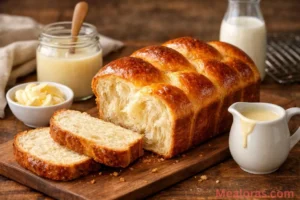
Making fresh bread at home is one of the most rewarding kitchen projects anyone can undertake. There is something truly special about the smell of a warm loaf cooling on the counter, and this Condensed Milk Bread Recipe is the perfect place to start. If you have ever felt intimidated by yeast or kneading, this recipe will change your mind. It is incredibly straightforward, resulting in a loaf that is pillowy, soft, and just sweet enough to enjoy on its own or with a simple spread.
Table of Contents
The secret to this bread’s incredible texture is the addition of sweetened condensed milk. Unlike regular sugar, condensed milk provides a creamy richness and a unique moisture that keeps the bread fresh for days. It creates a tender crumb that pulls apart beautifully. Whether you are a seasoned baker or a total beginner, this guide will walk you through every step to ensure a perfect bake.
The Magic of Condensed Milk in Baking
Using condensed milk in bread dough is a technique often found in Asian-style bakeries, known for their “milk bread” or Hokkaido-style loaves. The sugars and milk solids in the condensed milk help the dough stay hydrated, which leads to that famous “cloud-like” fluffiness.
If you find yourself enjoying this style of baking, you might also want to try a cinnamon sugar donut bread recipe for a treat that feels like a trip to the local bakery. Both recipes focus on achieving that signature soft texture that makes homemade bread so much better than anything you can buy at the store.
Ingredients You Will Need
Before starting, gather all the ingredients. Having everything measured out at room temperature will make the process much smoother.
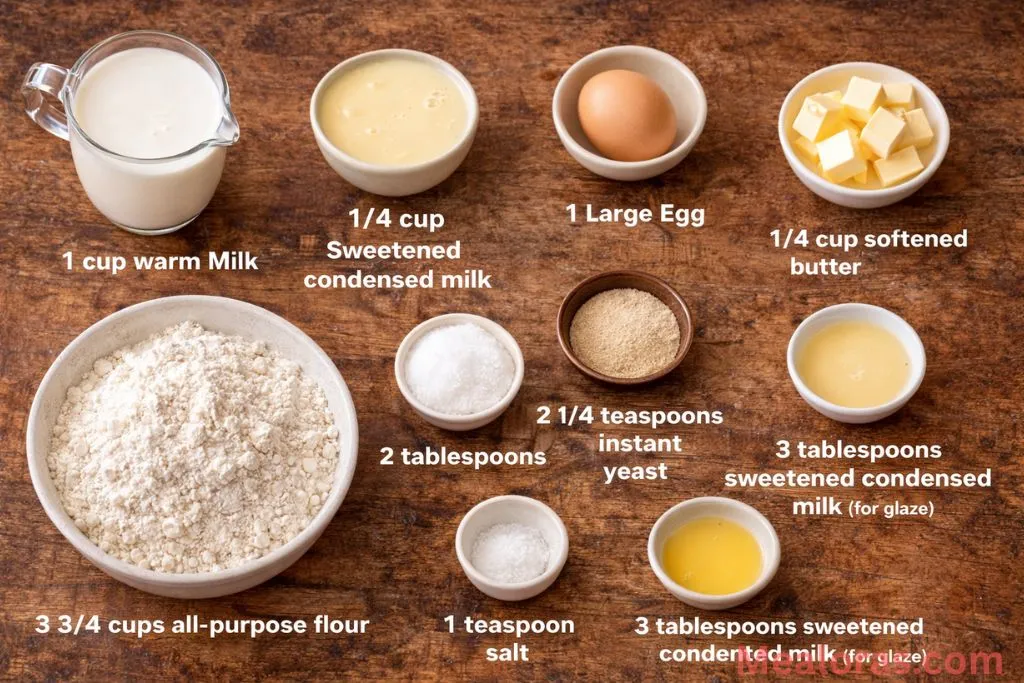
For the Dough:
- Warm Milk: 1 cup (slightly warmed to about 90°F–100°F)
- Sweetened Condensed Milk: ¼ cup
- Egg: 1 large (room temperature)
- Sugar: 2 tablespoons
- Instant Yeast: 2 ¼ teaspoons (one standard packet)
- All-Purpose Flour: 3 ¼ cups (plus extra for dusting)
- Salt: 1 teaspoon
- Butter: ¼ cup (softened to room temperature)
For the Glaze:
- Butter: 3 tablespoons (melted)
- Sweetened Condensed Milk: 3 tablespoons
Essential Kitchen Tools
- A large mixing bowl
- A sturdy spatula or wooden spoon
- A 9×5 inch loaf pan
- Parchment paper (optional, for lining the pan)
- A pastry brush for the glaze
Step-by-Step Instructions
1. Activate the Yeast
Start by pouring the warm milk into a large mixing bowl. Add the sweetened condensed milk, the egg, sugar, and the instant yeast. Whisk these together until the sugar has mostly dissolved and the egg is well incorporated. If you are using active dry yeast instead of instant, let this mixture sit for about 5 to 10 minutes until it becomes foamy on top.
2. Mix the Dry Ingredients
Add the flour and the salt to the liquid mixture. Use a wooden spoon or a spatula to stir everything together until a shaggy, sticky dough forms. At this stage, ensure there are no large pockets of dry flour left at the bottom of the bowl.
3. Incorporate the Butter
Add the softened butter to the dough. Using your hands or a stand mixer with a dough hook, work the butter into the dough. It might feel a bit greasy or messy at first, but keep going! As the dough absorbs the butter, it will become much smoother and more elastic.
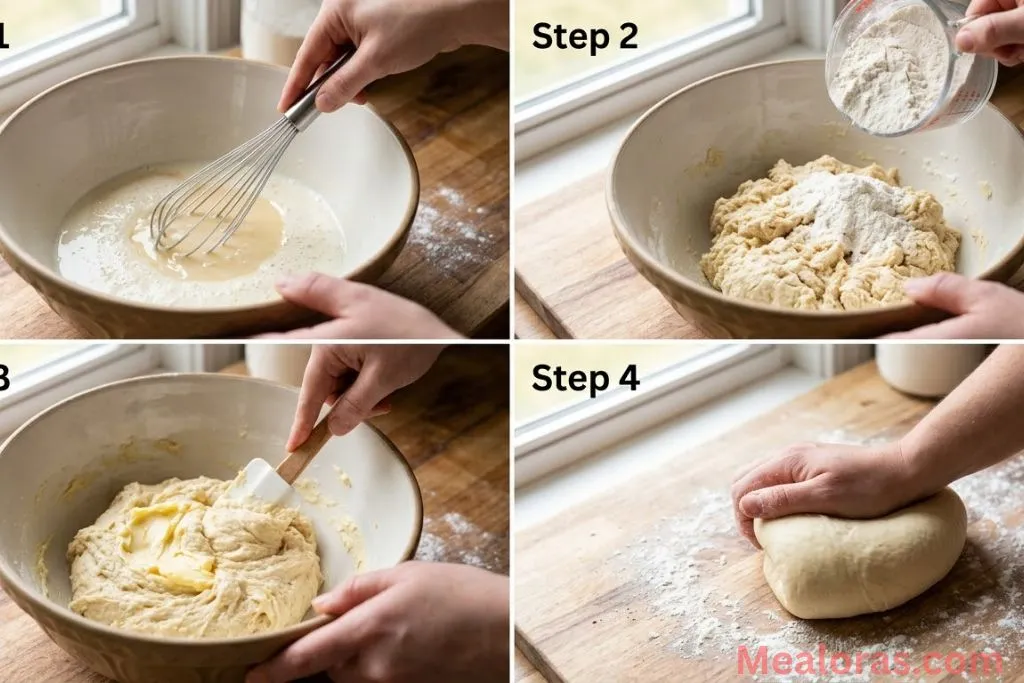
4. Kneading the Dough
Transfer the dough to a lightly floured surface. Knead the dough for about 8 to 10 minutes. You want the dough to be soft, smooth, and slightly tacky but not sticking to your fingers. If the dough feels too wet, add a tablespoon of flour at a time, but be careful not to add too much, or the bread will be dense.
5. The First Rise
Lightly grease a clean bowl with a little oil or butter. Place the dough inside, cover it with a damp cloth or plastic wrap, and let it sit in a warm, draft-free spot. Allow the dough to rise until it has doubled in size, which usually takes about 1 to 1.5 hours depending on the temperature of your kitchen.
6. Shaping the Loaf
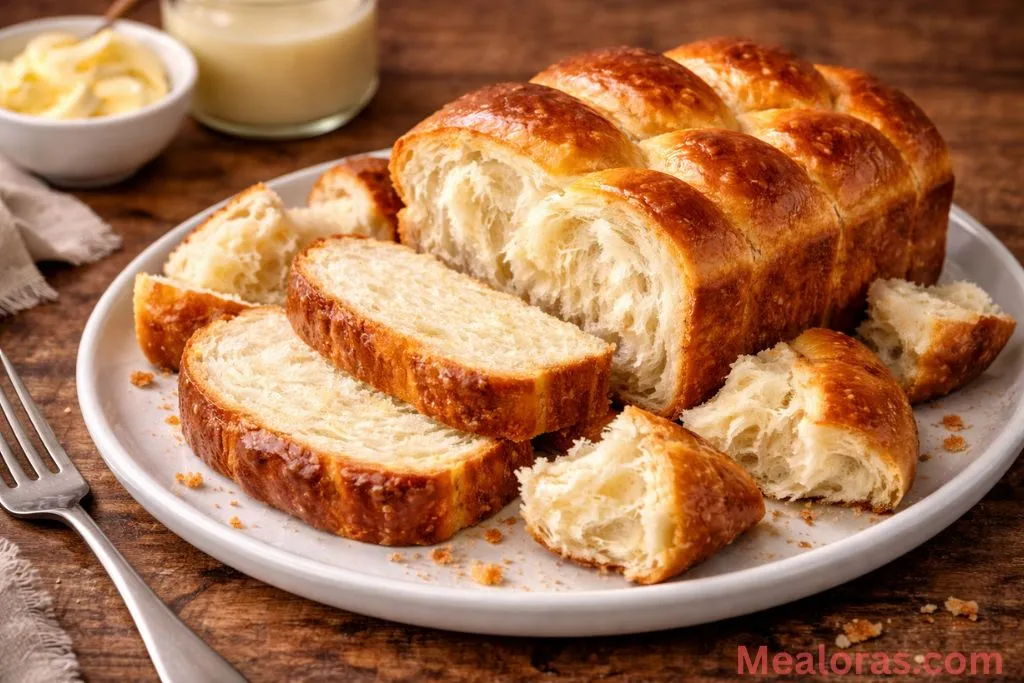
Once the dough has risen, gently press it down to release the air. Turn it out onto your work surface. Divide the dough into 7 equal pieces. Roll each piece into a smooth ball. Place the balls side-by-side in a greased loaf pan (lined with parchment paper if preferred).
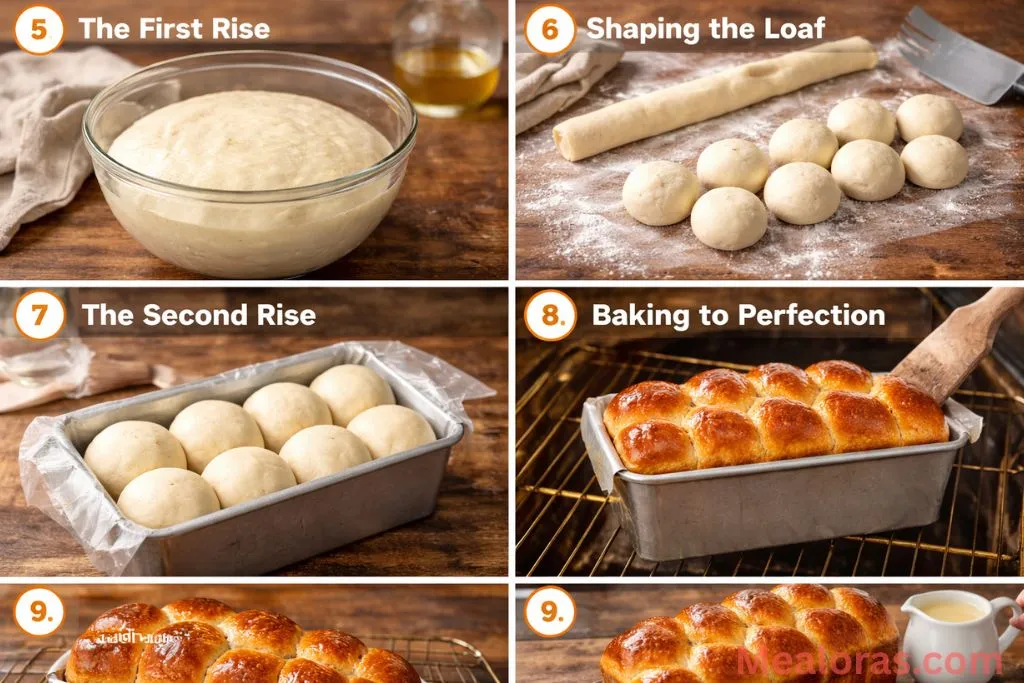
7. The Second Rise
Cover the loaf pan and let the dough rise again for about 45 minutes. This second rise is crucial for achieving that light, airy texture. The dough should look nice and puffy, filling the pan almost to the top.
8. Baking to Perfection
Preheat your oven to 350°F (175°C). Place the loaf in the center of the oven and bake for 20 to 25 minutes. The top should be a beautiful golden brown. While the bread is baking, whisk together the melted butter and the extra condensed milk to create the glaze.
9. Glazing and Cooling
As soon as the bread comes out of the oven, brush the top generously with the butter and condensed milk mixture. This adds a lovely shine and an extra layer of sweetness. Let the bread cool in the pan for about 10 minutes before transferring it to a wire rack.
Pro Tips for the Best Results
- Temperature Matters: Make sure your milk is warm but not hot. If the milk is too hot, it will kill the yeast, and your bread won’t rise. Aim for the temperature of a warm baby bottle.
- Don’t Rush the Rise: Yeast works on its own schedule. If your house is cool, the rise might take longer. Placing the bowl inside a turned-off oven with the light on can create a perfect “proof box” environment.
- The Windowpane Test: To check if you have kneaded enough, take a small piece of dough and stretch it out thinly. If you can see light through it without it tearing, the gluten is well-developed.
If you enjoy recipes that focus on a moist, rich crumb, you might also like to try a sweet Alabama pecan bread recipe, which offers a delightful nutty contrast to the milky sweetness of this loaf.
Variations and Swaps
- Dinner Rolls: Instead of a loaf, you can shape the dough into smaller balls and bake them in a square pan to make individual pull-apart rolls.
- Flavor Infusions: You can add a teaspoon of vanilla extract or a pinch of nutmeg to the dough for a more aromatic loaf.
- Egg-Free Option: While the egg adds richness, you can substitute it with an extra tablespoon of milk if necessary, though the texture may be slightly less “cake-like.”

Storage and Serving Suggestions
How to Store: Keep the cooled bread in an airtight container or a sealed plastic bag at room temperature for up to 3 days. To keep it even longer, you can wrap it tightly and freeze it for up to two months. Thaw at room temperature and warm it slightly in the oven or microwave before eating.
Serving Ideas:
- Breakfast: Toast a thick slice and top it with a bit of honey or extra butter.
- French Toast: This bread makes incredible French toast because it absorbs the custard without falling apart.
- Simple Snack: It is delicious served alongside a cup of warm tea or coffee.
Frequently Asked Questions
1. Can I use bread flour instead of all-purpose flour? Yes, bread flour has a higher protein content and will give the bread a slightly chewier, more professional texture.
2. Why didn’t my dough rise? This usually happens if the yeast was expired or if the milk used was too hot. Ensure your yeast is fresh and active.
3. Is condensed milk the same as evaporated milk? No, condensed milk is sweetened and much thicker. You must use sweetened condensed milk for this recipe to get the correct flavor and texture.
4. Can I make this dough in a bread machine? Yes, you can use the “dough” setting on your bread machine and then proceed with shaping and baking in a regular oven.
5. How do I know when the bread is fully baked? The loaf should be golden brown, and if you tap the bottom, it should sound hollow. An instant-read thermometer should register about 190°F.
6. Can I use margarine instead of butter? Butter provides the best flavor and texture, but a high-quality margarine will work as a substitute.
7. Why is my bread dense? Density usually comes from adding too much flour during the kneading process or not letting the dough rise long enough.
8. Do I have to use the glaze? The glaze is optional, but it provides the signature shine and sweetness associated with this style of bread.
9. Can I add raisins or nuts to this recipe? Absolutely! You can fold in half a cup of raisins or chopped nuts during the final stages of kneading.
10. Can I double the recipe? Yes, this recipe doubles easily if you want to make two loaves at once.
Conclusion
This Condensed Milk Bread is the ultimate comfort food. Its simplicity makes it a joy to bake, and its incredible softness makes it a favorite for children and adults alike. There is no need for fancy equipment or complex techniques—just a few pantry staples and a little bit of patience.
Once you see how much better a fresh, homemade loaf tastes, you may never go back to store-bought bread again. The gentle sweetness and creamy flavor make it a versatile addition to any meal. We hope you enjoy the process of baking as much as the result!
If you loved this recipe, please consider sharing it with your friends and family! Spreading the joy of home baking is a wonderful way to connect with the people you care about, and everyone deserves a slice of warm, fresh bread.
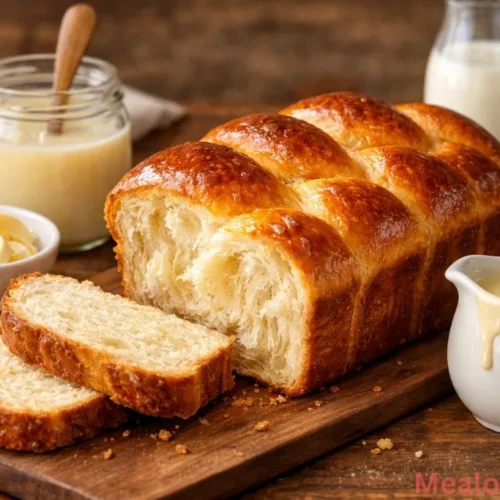
Condensed Milk Bread

Ingredients
- 1 cup warm milk
- 1/4 cup sweetened condensed milk
- 1 large egg
- 2 tablespoons sugar
- 2 1/4 teaspoons instant yeast
- 3 1/4 cups all-purpose flour
- 1 teaspoon salt
- 1/4 cup softened butter
- 3 tablespoons melted butter for glaze
- 3 tablespoons sweetened condensed milk for glaze
Instructions
- Whisk together the warm milk, sweetened condensed milk, egg, sugar, and yeast in a large bowl.
- Stir in the flour and salt until a shaggy dough forms and no dry spots remain.
- Incorporate the softened butter into the dough using your hands or a mixer until fully absorbed.
- Knead the dough on a floured surface for several minutes until it becomes smooth and elastic.
- Place the dough in a greased bowl, cover, and let it rise in a warm spot until doubled in size.
- Gently deflate the dough and divide it into equal pieces, rolling each into a smooth ball.
- Arrange the balls in a greased loaf pan and let them rise a second time until puffy.
- Bake in a preheated oven until the top is golden brown and the loaf sounds hollow when tapped.
- Brush the warm bread immediately with a mixture of melted butter and condensed milk before cooling.
Notes
• For the softest texture, use the “windowpane test” to ensure the gluten is properly developed during kneading.
• Store in an airtight bag at room temperature to maintain moisture for up to three days.
Mealoras your go-to for simple, flavorful recipes! From quick weeknight dinners to sweet treats and family favorites, we make cooking easy, fun, and delicious for everyone in the kitchen.