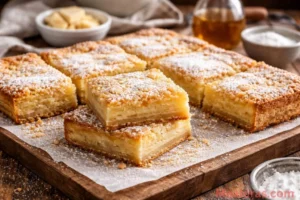
South Asian rice cakes are a delightful, chewy snack that have been a part of traditional kitchens across India, Bangladesh, Sri Lanka, and Nepal for generations. Known by different names—pitha, pittu, or dhikri these steamed treats are naturally gluten-free, simple to make, and perfect for breakfast, snack, or dessert.
Table of Contents
In this guide, I’ll walk you through a step-by-step recipe, share tips for the perfect texture, and explain variations so you can enjoy this heritage recipe at home.
What Is a South Asian Rice Cake?
South Asian rice cakes are traditional steamed cakes made primarily from rice flour. They are known for their soft, chewy texture, slightly sticky consistency, and mild, comforting flavor. Unlike other Asian rice cakes such as Japanese mochi or Korean tteok, which can be sweeter, denser, or fermented, South Asian rice cakes are typically lighter and subtly flavored, making them a versatile base for both sweet and savory dishes.
These rice cakes go by different regional names across South Asia:
- Bangladesh: Pitha – Often enjoyed during festivals or as a sweet snack, sometimes stuffed with coconut, jaggery, or lentils.
- Sri Lanka: Pittu – Usually steamed in cylindrical forms, often served with coconut or spicy curries.
- Nepal: Dhikri – Traditionally shaped in rounds or rolls, commonly used in religious or cultural celebrations.
South Asian rice cakes are incredibly versatile. They can be eaten plain as a simple snack, dipped in flavorful sauces, or pan-fried for a crispy exterior while remaining soft inside. Sweet variations often include ingredients like jaggery, coconut, or cardamom, while savory versions may feature chili, garlic, or sesame seeds. These cakes are naturally gluten-free, making them a healthy option for anyone looking for light, wholesome snacks.
Whether enjoyed at home for breakfast, as a festive treat, or as a snack on the go, South Asian rice cakes showcase the rich culinary traditions of the region while remaining simple and easy to prepare.
🎉 Why You’ll Love This Recipe
- Gluten-Free & Vegan: Perfect for anyone with dietary restrictions, this South Asian rice cake recipe is naturally gluten-free and entirely plant-based. No dairy, eggs, or wheat—just wholesome ingredients you can feel good about.
- Only 5 Main Ingredients: You don’t need fancy or hard-to-find items. Rice flour, coconut milk, sugar, salt, and water are all pantry staples, making this recipe quick, simple, and budget-friendly.
- Soft and Chewy Texture: Steamed to perfection, these rice cakes have the classic soft and slightly sticky texture that makes them irresistible. They stay chewy but light, just like traditional South Asian rice cakes from Bangladesh, Sri Lanka, or Nepal.
- Customizable Flavors: Whether you want a sweet treat with jaggery and coconut, a subtly spiced version with cardamom, or a savory option with chili or sesame seeds, this recipe is flexible to match your taste preferences.
- Family-Friendly & Fun: Making these rice cakes can be a hands-on experience for the whole family. Kids can help shape the cakes, and everyone can enjoy the fun of cooking together while learning about traditional South Asian cuisine.
This recipe brings the authentic flavors of South Asia right into your kitchen without complicated techniques or obscure ingredients. It’s an easy, approachable way to enjoy a traditional dish that’s soft, chewy, and full of flavor—perfect for breakfast, snacks, or festive occasions. ❤️
Ingredients & Substitutions
Pantry Staples, Big Impact

| Ingredient | Quantity | Notes / Purpose |
| Rice flour | 250 g (1 ¾ cups + 2 tbsp) | Base of the dough; gives structure |
| Tapioca starch | 115 g (¾ cup + 2 tbsp) | Adds chewiness and elasticity |
| Sugar | 2 tsp | Balances flavors, optional for sweet variation |
| Kosher salt | ½ tsp | Enhances flavor |
| Hot water | 400 g (1 ¾ cups) | Hydrates flour for pliable dough |
| Extra cool water | As needed | Adjusts dough consistency |
Tips:
- Use hot water for proper hydration.
- If dough feels too sticky, sprinkle a little rice flour while kneading.
- Flexible recipe: adjust water slightly for desired texture.
Step-by-Step Instructions
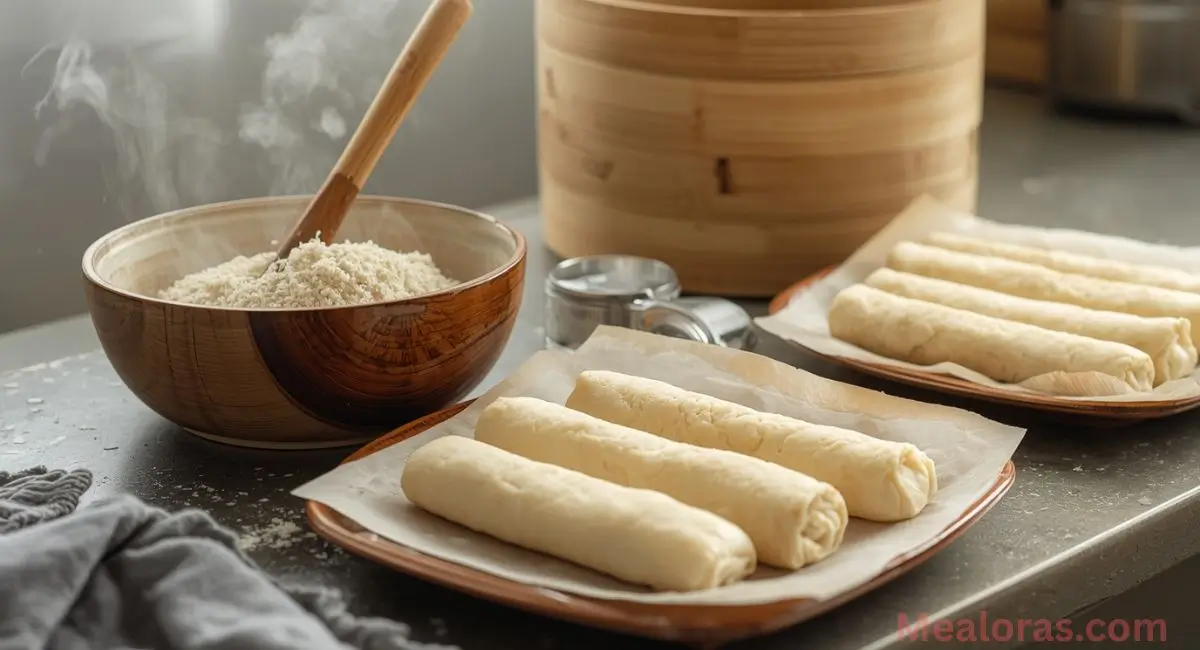
Step 1️ Make the Dough
- Combine rice flour, tapioca starch, sugar, and salt in a large mixing bowl.
- Boil the water. Slowly pour half of it into the dry mix, stirring quickly to hydrate the starches.
- Add the remaining water gradually, stirring continuously until a soft, cohesive dough forms.
- If dough feels dry, drizzle a little cool water.
- Let it cool slightly, then knead until smooth and tacky, not sticky.
Step 2️ Shape the Rice Cakes
- Divide dough into 8 equal portions.
- Roll each into a 16-inch rope, then cut into 2-inch pieces.
- Place on parchment-lined plates and cover with a towel to prevent drying.
Step 3️ Steam the Rice Cakes
- Prepare a steamer and wrap the lid with a towel to prevent condensation from dripping.
- Steam in batches for 10–11 minutes until cooked through.
- Let rice cakes cool completely before serving or storing.
Pro Tips:
- Avoid overcrowding in the steamer for even cooking.
- For a chewier texture, slightly increase tapioca starch.
- Keep dough covered while shaping to prevent drying.
🔥 Expert Tips for Perfect South Asian Rice Cakes
- Hydrate the dough properly: Always use hot water to mix the rice flour and tapioca starch. This ensures a smooth, pliable dough.
- Knead for texture: Knead until the dough is tacky but not sticky; this gives a soft and chewy bite.
- Prevent drying: Cover shaped dough pieces with a damp towel while waiting to steam.
- Avoid overcrowding in the steamer: Steam in batches for even cooking.
- Adjust starch for chewiness: Add slightly more tapioca starch if you want a chewier texture.
- Freeze properly: Once cooled, place cakes in airtight containers or freezer bags. Reheat by steaming or pan-frying with a splash of water.
- Sweet or savory: Experiment with jaggery, coconut, cardamom for sweet or chili, garlic, sesame for savory variations.
Serving & Pairing Ideas
Rice cakes are incredibly versatile! Here are some ways to enjoy them:
- Savory: Dip in soy sauce, chili oil, or peanut sauce.
- Stir-fry: Toss with vegetables, tofu, or eggs for a meal.
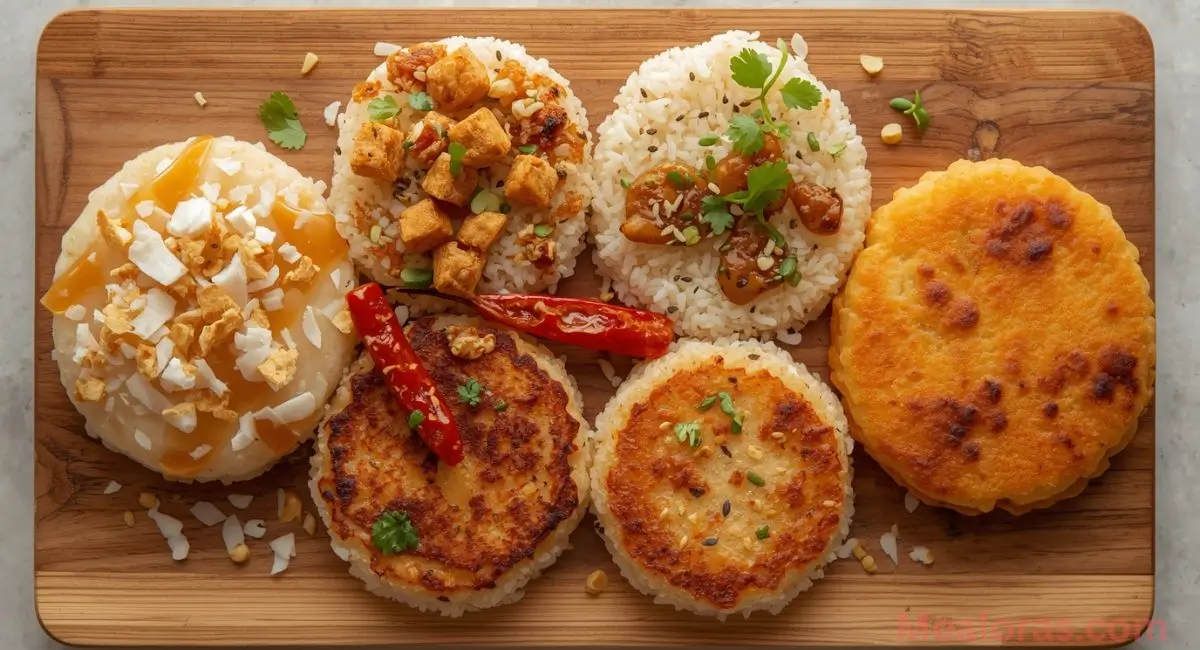
- Sweet: Drizzle with coconut milk, jaggery syrup, or sesame seeds.
- Snack or dessert: Serve plain, lightly fried, or air-fried for crispy edges.
Variations & Flavor Experiments
- 🌸 Sweet Festival Pitha: Add jaggery, coconut, and cardamom for traditional flavor.
- 🌶 Savory Rice Cake: Mix chili, garlic, or sesame seeds into dough.
- 🔥 Pan-Fried Crispy Edges: Lightly fry steamed cakes for extra texture.
- 🍵 Quick Air-Fry Version: Steam then air-fry at low temp for crispy outside, chewy inside.
Storage, Freezing & Reheating
- Refrigerator: Store in airtight container up to 3 days.
- Freezer: Freeze in a sealed bag; lasts 2–3 weeks.
- Reheat: Steam or pan-fry with a splash of water to restore softness and chewiness.
Health & Nutrition Benefits
- Gluten-free and vegan – safe for most dietary needs
- Low-fat, high-carb snack – provides energy
- Easily digestible – gentle on the stomach
- Minimal ingredients – no artificial additives
Rice Cake Comparison: South Asia vs East Asia
| Rice Cake Type | Region | Texture | Main Ingredients | Cooking Method |
| South Asian Rice Cake | India, Sri Lanka, Bangladesh | Soft, chewy | Rice flour, tapioca starch | Steamed |
| Idli | India | Spongy | Fermented rice + lentils | Steamed |
| Mochi | Japan | Chewy, sticky | Glutinous rice | Pounded / steamed |
| Tteok | Korea | Soft, sometimes sweet | Glutinous rice | Steamed / boiled / pounded |
You Might Also Like
Southern Peach Buttermilk Pound Cake Recipe – Easy & Buttery
Brownie Refrigerator Cake Recipe — Easy No-Bake Chocolate Dessert
White German Chocolate Cake with Cheesecake Center
Summer Moon Milk Recipe: Creamy, Calming & Delicious
Frequently Asked Questions
1. What is the name of the South Asian rice cake?
Regional names include pitha, pittu, or dhikri, depending on the country.
2. What are Asian rice cakes called?
East Asian rice cakes include mochi (Japan) and tteok (Korea). South Asian rice cakes are mostly steamed and chewy.
3. What is the name of the Indian rice cake?
In India, rice cakes are generally called pitha, often made during festivals and celebrations.
4. What exactly is Hwajeon?
Hwajeon is a Korean flower rice cake, sweet and pan-fried, unlike chewy South Asian rice cakes.
5. Are South Asian rice cakes gluten-free?
Yes, they are made with rice flour and tapioca starch, no wheat.
6. Can I freeze South Asian rice cakes?
Yes! Freeze in airtight bags or containers for 2–3 weeks. Reheat by steaming or pan-frying.
7. How do I make my rice cakes chewy and soft?
Use hot water, knead properly, and consider adding extra tapioca starch for chewiness.
8. Can I make rice cakes in advance?
Absolutely! Shape and steam them ahead, then store in the fridge or freezer.
9. Can I make sweet or savory versions?
Yes! Sweet: coconut, jaggery, or cardamom. Savory: chili, garlic, sesame seeds.
10. What is the difference between rice cake and idli?
Idli is fermented and spongy, while South Asian rice cakes are non-fermented, chewy, and dense.
✨ Final Thoughts
South Asian rice cakes are a timeless, versatile treat that bring tradition and comfort to your kitchen. With just a handful of pantry staples, you can create soft, chewy, gluten-free cakes that are perfect for snacking, meals, or festive occasions.
The beauty of this recipe lies in its simplicity and adaptability—whether you enjoy them plain, sweetened with coconut and jaggery, or spiced with chili and sesame, every bite carries a taste of South Asian culinary heritage.
By following the expert tips, paying attention to hydration and kneading, and exploring sweet or savory variations, you’ll master this recipe with ease. Plus, with freezing and reheating guidance, you can enjoy these treats anytime without compromising texture or flavor.
Give this recipe a try, and let it become a family favorite or a fun kitchen experiment. Share your results, experiment with flavors, and celebrate the chewy, comforting goodness of South Asian rice cakes.💛
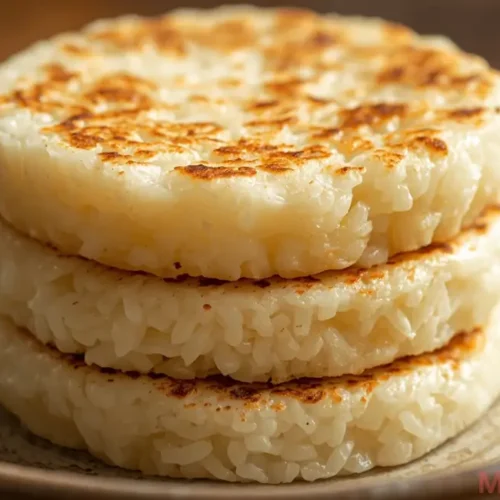
Easy South Asian Rice Cake Recipe – Soft, Chewy & Gluten-Free

Ingredients
- Rice flour 250 g 1 ¾ cups + 2 tbsp Base of the dough; gives structure
- Tapioca starch 115 g ¾ cup + 2 tbsp Adds chewiness and elasticity
- Sugar 2 tsp Balances flavors optional for sweet variation
- Kosher salt ½ tsp Enhances flavor
- Hot water 400 g 1 ¾ cups Hydrates flour for pliable dough
- Extra cool water As needed Adjusts dough consistency
Instructions
Make the Dough
- Combine rice flour, tapioca starch, sugar, and salt in a large mixing bowl.
- Boil the water. Slowly pour half of it into the dry mix, stirring quickly to hydrate the starches.
- Add the remaining water gradually, stirring continuously until a soft, cohesive dough forms.
- If dough feels dry, drizzle a little cool water.
- Let it cool slightly, then knead until smooth and tacky, not sticky.
Step Shape the Rice Cakes
- Divide dough into 8 equal portions.
- Roll each into a 16-inch rope, then cut into 2-inch pieces.
- Place on parchment-lined plates and cover with a towel to prevent drying.
Step Steam the Rice Cakes
- Prepare a steamer and wrap the lid with a towel to prevent condensation from dripping.
- Steam in batches for 10–11 minutes until cooked through.
- Let rice cakes cool completely before serving or storing.
Pro Tips:
- Avoid overcrowding in the steamer for even cooking.
- For a chewier texture, slightly increase tapioca starch.
- Keep dough covered while shaping to prevent drying.
Notes
- Naturally gluten-free and vegan.
- Use fresh coconut milk for best flavor.
- Can be made sweet or savory.
- Steam carefully to keep soft and chewy texture.
- Pan-frying optional for crispy edges.
- Perfect for breakfast, snacks, or occasions.
Mealoras your go-to for simple, flavorful recipes! From quick weeknight dinners to sweet treats and family favorites, we make cooking easy, fun, and delicious for everyone in the kitchen.