
Chili seasoning is one of those essential spice blends that can transform a simple pot of chili into a rich, flavorful dish. Making your own chili seasoning allows for complete control over the flavor profile, spice level, and salt content, giving you a seasoning that is fresher, healthier, and often more economical than store-bought packets. This recipe provides a versatile, well-balanced chili seasoning mix suitable for a variety of dishes beyond chili, including tacos, roasted vegetables, soups, and more.
Table of Contents
Why Make Your Own Chili Seasoning
Store-bought chili seasoning packets are convenient, but they often contain preservatives, fillers, and excess sodium. Making your own chili seasoning not only eliminates these additives but also allows for customization. You can adjust the heat level, omit or reduce salt, or experiment with additional spices to suit your taste. Additionally, preparing a batch in advance provides a ready-to-use seasoning for any recipe, saving time and improving flavor consistency in your cooking.
For a hearty and flavorful chili, try this Pepper Belly Pete Chili Recipe (Authentic Copycat Version) using this chili seasoning.
What Is Chili Seasoning?
Chili seasoning is a blend of dried spices designed to add warmth, depth, and complexity to dishes. It typically includes chili powder, cumin, paprika, garlic, onion, and salt. Unlike chili powder alone, which is primarily made from ground chili peppers, chili seasoning combines multiple spices to create a balanced flavor. The blend enhances both the heat and savory qualities of dishes, making it a versatile pantry staple for home cooks.
Research suggests that spicy foods and chili peppers may offer various health benefits, including boosting metabolism and supporting cardiovascular health (Spicy Food and Chili Peppers and Multiple Health Outcomes.
Chili Seasoning vs Chili Powder
Chili seasoning and chili powder are not the same. Chili powder refers primarily to ground chili peppers, sometimes with a small amount of cumin or garlic. Chili seasoning, on the other hand, is a comprehensive spice blend that includes multiple ingredients, such as cumin, paprika, garlic powder, onion powder, and salt. While chili powder can be used on its own, chili seasoning offers a more robust, balanced flavor that can be applied to a variety of recipes. Substituting chili powder for chili seasoning may require adjusting other spices to achieve the same depth of flavor.
Ingredients for Chili Seasoning
| Ingredient | Quantity |
| Chili powder | 1 tablespoon |
| Ground cumin | 1 teaspoon |
| Cayenne pepper | ¼ teaspoon |
| Garlic powder | ¼ teaspoon |
| Onion powder | ½ teaspoon |
| Salt | 1 teaspoon |
| Black pepper (freshly ground, approx.) | ¼ teaspoon |
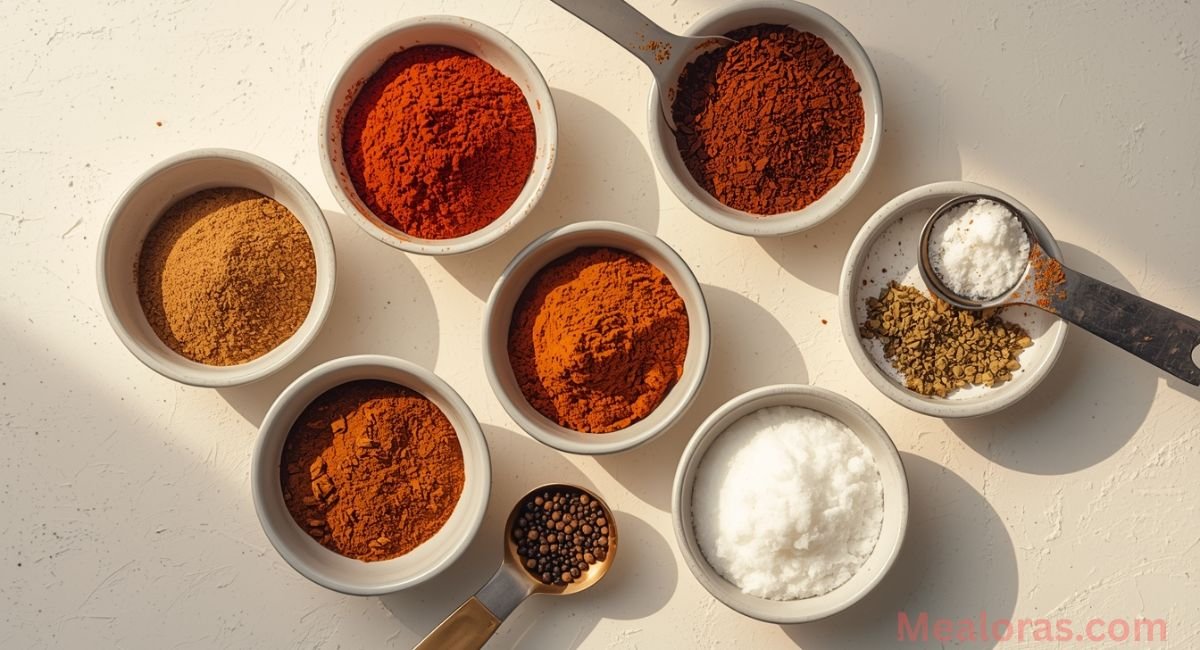
This combination creates a well-rounded, flavorful chili seasoning that can be used immediately or stored for future use.
How to Make Chili Seasoning
- Combine all the spices in a small mixing bowl.
- Stir the ingredients thoroughly until they are evenly distributed.
- Transfer the mixture to an airtight container to preserve freshness.
- Store the container in a cool, dry location away from direct heat and moisture. Properly stored, this chili seasoning can maintain its flavor for up to six months.
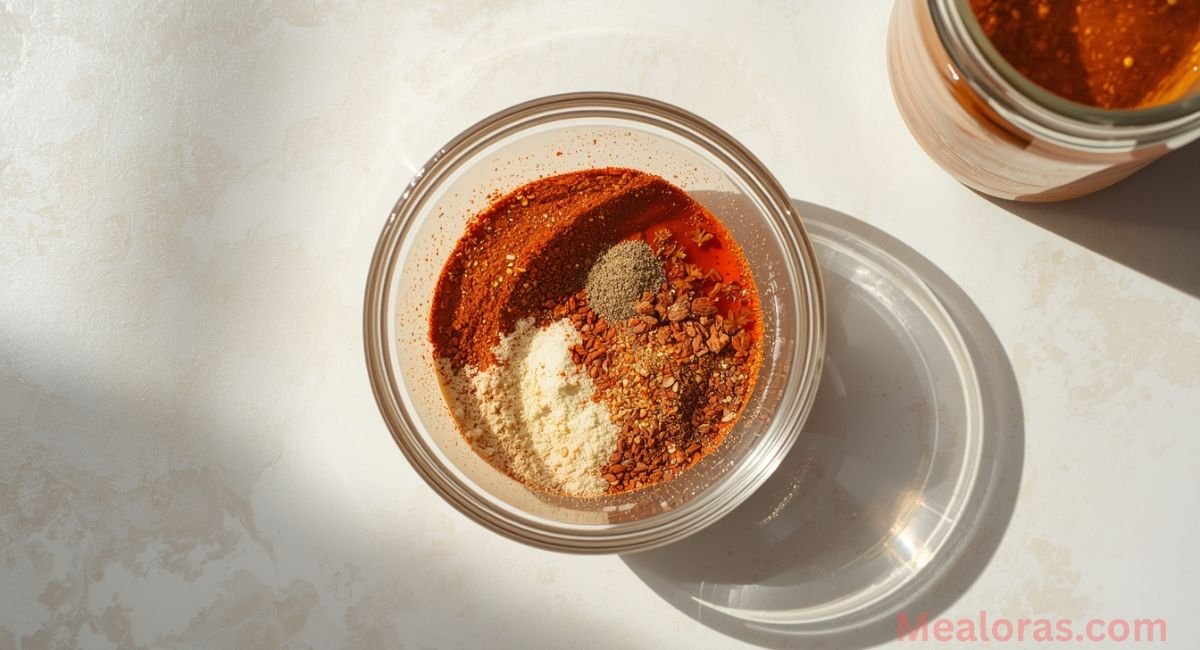
This method ensures that the flavors are well-blended and ready to enhance any dish you choose.
How Much Chili Seasoning Should You Use
For a standard pot of chili using 1 pound of ground beef or turkey, use approximately 2 tablespoons of this chili seasoning. This amount can be adjusted according to personal preference or the desired heat level. If you are using a store-bought chili packet as a reference, one of these homemade batches is roughly equivalent to a single packet. Always start with less and taste as you go, especially if using cayenne pepper, as it can add considerable heat.
Chili Seasoning Variations & Customizations
This chili seasoning recipe can be customized in several ways:
- Mild Version: Reduce or eliminate cayenne pepper for a gentler heat.
- Spicy Version: Increase cayenne pepper or add smoked paprika to enhance both heat and depth.
- Smoky Version: Substitute regular paprika with smoked paprika for a rich, smoky flavor.
- Low-Sodium Version: Reduce or omit salt entirely, and use other spices to maintain flavor.
- Diet-Friendly Versions: This blend can easily be adapted for keto, paleo, or gluten-free diets by ensuring all spices are pure and free of additives.
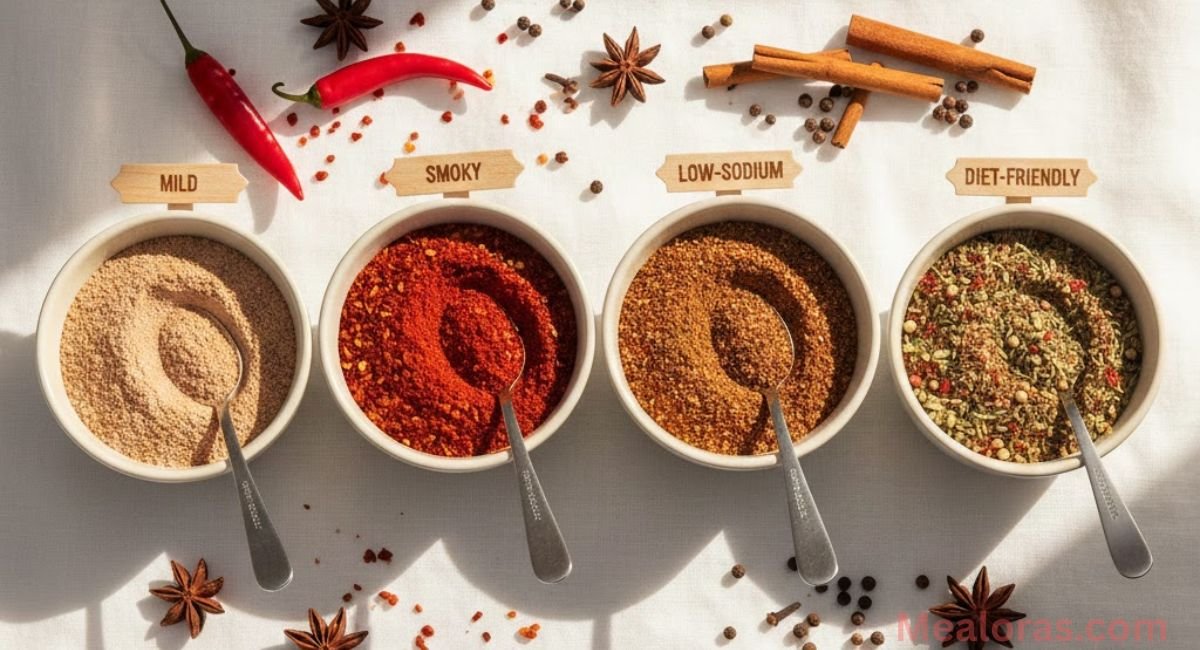
These variations allow you to tailor the seasoning to your preferences while keeping it versatile for multiple dishes.
Chili Seasoning vs Taco Seasoning
Chili seasoning and taco seasoning are often used interchangeably, but they have distinct differences. Taco seasoning typically contains additional ingredients like oregano, cornstarch, or sugar, which are not necessary for chili. While you can substitute chili seasoning for taco seasoning in a pinch, the flavor may differ slightly, and you may need to adjust the recipe with extra spices to achieve the desired taste. Understanding the difference allows for better results in both chili and Mexican-inspired dishes.
How to Store Chili Seasoning
Proper storage is essential for maintaining the potency and flavor of your chili seasoning. Use an airtight container, preferably glass, to prevent moisture and odors from affecting the spices. Keep the container in a cool, dark place away from heat, light, and humidity. When stored correctly, this seasoning can last up to six months. For longer-term storage, consider making larger batches and dividing them into smaller jars to maintain freshness.
Common Mistakes to Avoid
- Over-Salting: Adding too much salt can overpower other flavors. Adjust carefully, especially if adding additional ingredients to the chili.
- Using Old Spices: Spices lose potency over time. Ensure your ingredients are fresh for the best flavor.
- Unbalanced Spice Ratios: Follow the recipe carefully, especially when first making the seasoning, to ensure a well-balanced blend.
- Excess Heat: Start with the recommended cayenne pepper amount; you can always add more to taste.
Following these guidelines ensures consistent, flavorful results every time.
Ways to Use Chili Seasoning
Chili seasoning is not limited to chili. Its versatility makes it suitable for a variety of dishes:
- Ground Meat: Add to beef, turkey, or chicken for tacos, meatloaf, or skillet dishes.
- Vegetables: Toss with roasted vegetables such as potatoes, carrots, or zucchini for added warmth and spice.
- Soups and Stews: Incorporate into broths and stews to enhance depth.
- Sheet-Pan Dinners: Sprinkle over meat or vegetables before roasting.
- Grilled Proteins: Use as a rub for fish, chicken, or beef.
The seasoning can also be combined with other spice blends to create complex flavors for creative dishes.
You can also use this chili seasoning to add depth to sandwiches and burgers, like in our Sloppy Joe Sauce Recipe (Better Than Store-Bought)
Best Chili Recipes to Use This Seasoning
- Classic Beef Chili: A hearty, traditional chili using ground beef, beans, and tomatoes.
- White Chicken Chili: Mild, creamy chili with shredded chicken and white beans.
- Turkey Chili: Lean protein option with a balanced flavor profile.
- Vegetarian Chili: A rich, plant-based chili using beans, lentils, and vegetables.
This chili seasoning enhances all these recipes, giving them depth and consistency.
Frequently Asked Questions
- Is chili seasoning spicy?
The spiciness depends on the amount of cayenne pepper used. You can adjust it to make the seasoning mild or extra spicy. - Can I make chili seasoning without salt?
Yes, you can omit or reduce the salt to control sodium intake. The other spices still provide full flavor. - Is chili seasoning gluten-free?
When made with pure spices, chili seasoning is naturally gluten-free. Check packaged spices if following a strict gluten-free diet. - Can I double or bulk-make chili seasoning?
Absolutely. You can scale the recipe for larger batches and store in airtight containers for up to six months. - Does chili seasoning expire?
Spices gradually lose potency over time. Properly stored, homemade chili seasoning maintains flavor for about six months. - What’s the best chili seasoning recipe for 1 pound of beef?
Use 2 tablespoons of this chili seasoning per pound of beef for a balanced flavor. Adjust heat to taste. - How can I make a mild chili seasoning mix?
Reduce or remove the cayenne pepper to create a mild version without sacrificing flavor. - What is a simple, easy-to-make chili seasoning recipe?
Combine chili powder, cumin, garlic powder, onion powder, paprika, salt, and black pepper — no complicated steps needed. - Can I make chili seasoning with cocoa for a richer flavor?
Yes, adding a small amount of unsweetened cocoa powder can add depth and an earthy richness to your chili. - Is there an authentic chili seasoning recipe I can follow?
This recipe balances traditional spices for an authentic flavor profile similar to classic chili blends. - How does homemade chili seasoning compare to store brands like McCormick?
Homemade blends are fresher, customizable, and free of fillers or preservatives, often providing better flavor and value. - Where can I find the best homemade chili seasoning recipe online?
Trusted food sites with tested recipes, such as Budget Bytes and Allrecipes, provide reliable options. - Is the Allrecipes homemade chili seasoning recipe any good?
Yes, it’s a good starting point, but you can tweak it to suit your taste and preferred heat level.
Final Thoughts
Making your own chili seasoning is an easy and rewarding way to elevate your cooking. This simple blend of spices allows you to control flavor, heat, and sodium while avoiding unnecessary additives found in store-bought packets. Its versatility extends beyond chili — it can enhance meats, vegetables, soups, stews, and more.
With a batch of this chili seasoning on hand, you can quickly add depth and warmth to any dish. Whether you prefer a mild, smoky, or spicy version, this recipe serves as a reliable foundation for a wide range of culinary creations. By preparing it yourself, you gain both flexibility and quality in your cooking, making this spice blend an essential part of your pantry.
Chili Seasoning Recipe (Easy, Flavorful & Better Than Store-Bought)

Ingredients
- Chili powder 1 tablespoon
- Ground cumin 1 teaspoon
- Cayenne pepper ¼ teaspoon
- Garlic powder ¼ teaspoon
- Onion powder ½ teaspoon
- Salt 1 teaspoon
- Black pepper freshly ground, approx. ¼ teaspoon
- This combination creates a well-rounded flavorful chili seasoning that can be used immediately or stored for future use.
Instructions
- Combine all the spices in a small mixing bowl.
- Stir the ingredients thoroughly until they are evenly distributed.
- Transfer the mixture to an airtight container to preserve freshness.
- Store the container in a cool, dry location away from direct heat and moisture. Properly stored, this chili seasoning can maintain its flavor for up to six months.
- This method ensures that the flavors are well-blended and ready to enhance any dish you choose.
Notes
- Makes approximately one batch, enough for a 1-pound chili or equivalent to a single store-bought packet.
- Adjust cayenne pepper to control the heat level.
- For a richer flavor, briefly toast the spices in a dry pan before mixing.
- Store in an airtight container in a cool, dry place; seasoning stays fresh for up to six months.
- Can be customized: mild, spicy, smoky, low-sodium, or diet-friendly variations.
Mealoras your go-to for simple, flavorful recipes! From quick weeknight dinners to sweet treats and family favorites, we make cooking easy, fun, and delicious for everyone in the kitchen.