Introduction
Table of Contents
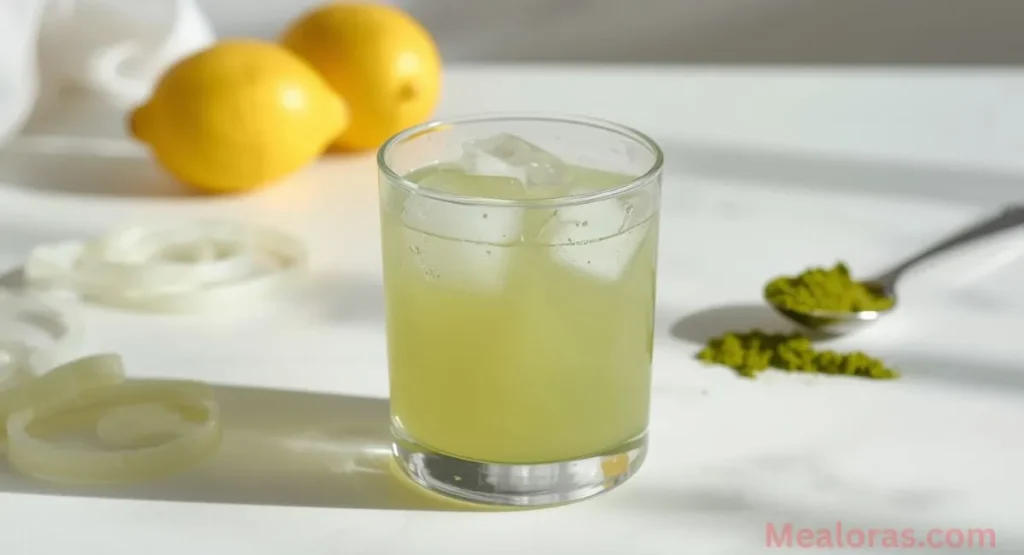
The Japanese Mounjaro recipe has taken the wellness world by storm. From TikTok trends to health-focused blogs, this drink is celebrated for its combination of simplicity, flavor, and potential health benefits. Whether you’re exploring traditional Japanese ingredients or trying the viral four-ingredient version, this guide will show you everything you need to know.
By the end of this article, you’ll understand the difference between traditional and modern variations, how to make each version at home, and the science behind its popularity.
What Is the Japanese Mounjaro Recipe?
The Viral Confusion Explained
Many people assume Japanese Mounjaro is a packaged product or supplement—but it’s actually a homemade wellness drink. The trend grew when wellness enthusiasts paired traditional Japanese ingredients with the buzz around Mounjaro (the GLP-1 weight-loss medication).
The Two Major Versions of the Recipe
- Traditional Japanese-inspired drink – Savory, umami-rich, featuring matcha, kelp (kombu), ginger, and umeboshi plums.
- Viral 4-ingredient weight-loss drink – Bright, citrusy, quick to prepare, usually combining lemon juice, ginger, honey, and apple cider vinegar.
Why This Recipe Became a Trend
TikTok Influence
The rise of short-form videos made this drink accessible. Quick tutorials emphasize the 4-ingredient version, highlighting its ease and visual appeal.
Easy 4-Ingredient Formula
Minimal ingredients, minimal effort, and instant gratification make it perfect for busy mornings or a refreshing afternoon pick-me-up.
Light, Hydrating, and Low-Calorie
Both versions are low in calories but rich in flavor. The drink offers hydration and satiety without overwhelming your taste buds.
Suitable for Many Diets
Whether you’re vegan, low-sugar, or practicing mindful eating, Japanese Mounjaro fits seamlessly into most wellness routines.
Ingredient Deep Dive (What Each Component Does)
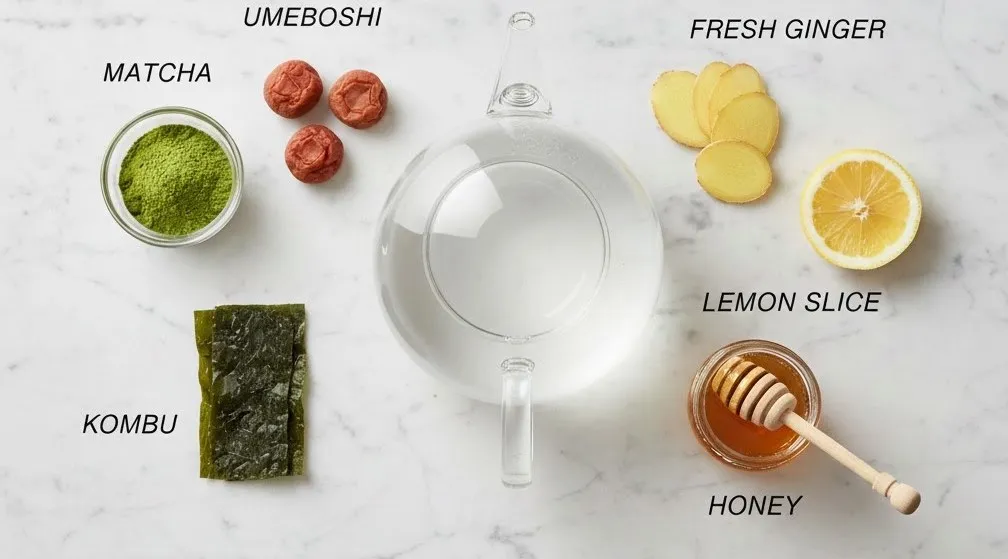
Here’s a table of the classic Japanese Mounjaro ingredients with their benefits:
| Ingredient | Role / Benefits | Notes |
| Matcha powder | Provides antioxidants (EGCG), gentle caffeine, L-theanine for calm energy | Use ceremonial-grade for best flavor and benefits |
| Umeboshi plum / paste | Aids digestion, probiotic-rich, adds tangy flavor | Can substitute with a small amount of lemon for milder taste |
| Kombu (kelp) | Rich in iodine and minerals, adds umami depth | Use organic or wild-harvested for best quality |
| Fresh ginger | Supports digestion, adds warmth and spice | Grate fresh before using |
| Lemon juice / yuzu zest | Optional; adds bright citrus flavor | Enhances aroma and balances umami |
| Honey (optional) | Lightly sweetens without processed sugar | Can use stevia for zero-calorie option |
| Apple cider vinegar (simplified version) | Provides tang, may aid digestion | Optional, based on taste preference |
| Warm water | Base of the drink | Keep below boiling (160–175°F) to preserve nutrients |
Science Breakdown – Does the Japanese Mounjaro Recipe Support Weight Loss?
While not a medical substitute, this drink offers supportive wellness benefits:
- Hydration & Appetite Regulation: Drinking warm liquids can help you feel full, reducing mindless snacking.
- Mineral Balance: Kombu delivers iodine and trace minerals that support metabolic processes.
- Matcha’s Metabolism & Thermogenic Effect: Catechins in matcha may slightly enhance fat oxidation.
- Gut Health: Umeboshi and ginger support digestion and reduce bloating.
- Low-Calorie Volume: Filling without excessive calories, promoting satiety naturally.
How to Make the Traditional Japanese Mounjaro Drink
Ingredients
| Ingredient | Quantity |
| Matcha powder | 1 tsp |
| Umeboshi plum / paste | 1 tsp |
| Fresh ginger | 1 tsp grated |
| Kombu (kelp) | Thumb-sized piece |
| Warm water | 8 oz (160–170°F) |
| Lemon juice / yuzu zest | Optional |
| Honey | Optional |
Preparation
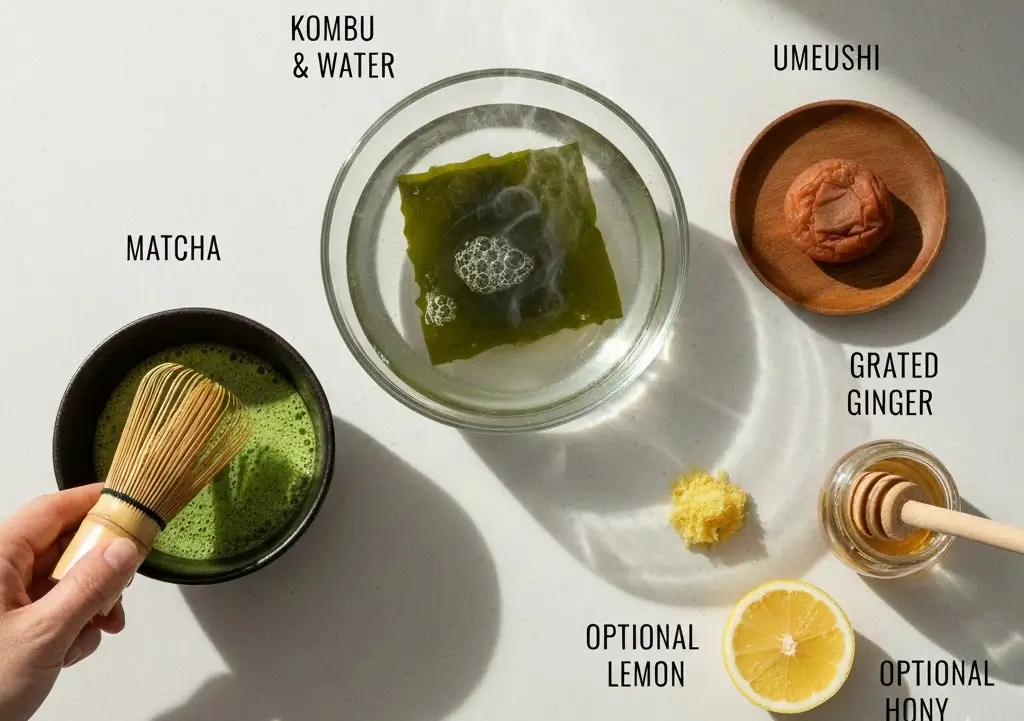
- Soak kombu in warm water for 5 minutes, then remove.
- Whisk matcha with a splash of kombu water until smooth.
- Add umeboshi and grated ginger, then pour into the kombu-infused water.
- Optional: Add lemon or honey to taste.
Difference from viral version: This drink is savory, mineral-rich, and more umami-forward.
How to Make the Viral 4-Ingredient Japanese Mounjaro Recipe
Ingredients
| Ingredient | Quantity |
| Lemon juice | Juice of ½ lemon |
| Fresh ginger | ½–1 tsp grated |
| Honey | 1 tsp |
| Apple cider vinegar | 1 tbsp |
| Warm water | 8 oz (about 160–170°F) |
Step-by-Step Method
- Combine lemon juice, ginger, honey, and apple cider vinegar in a cup.
- Add warm water and stir until fully mixed.
- Sip slowly, ideally before a meal or in the morning.
Tips: Adjust honey for sweetness; start with a smaller amount of vinegar if sensitive to acidity.
Japanese Mounjaro Recipe Variations
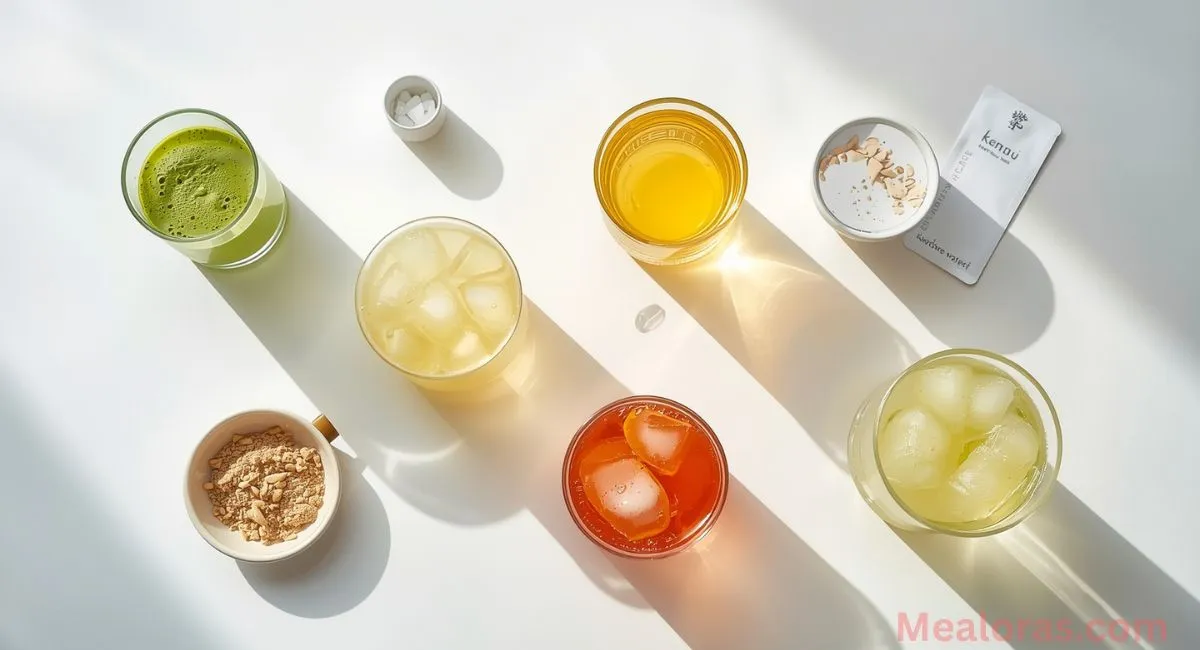
- Matcha Mounjaro Drink – Boost antioxidants and gentle energy.
- Yuzu or Citrus Mounjaro – Refreshing, bright flavor for mornings.
- Ginger–Honey Wellness Tonic – Sweet and warming for digestion.
- Kombu/Kelp Mineral Water Version – Emphasizes mineral intake.
- Low-Sugar or Sugar-Free Version – Swap honey for stevia.
- Low-Salt Version – Avoids umeboshi, still flavorful with citrus.
- High-Protein Smoothie Version – Add collagen or protein powder.
- Iced Summer Hydration Version – Chill and serve over ice.
When to Drink the Japanese Mounjaro Recipe
- Morning: Gentle energy lift.
- Before meals: Supports digestion.
- Evening warm version: Promotes relaxation and gut health.
- During weight-loss phases: Hydrating, low-calorie option.
Who Should Drink It (And Who Should Avoid It)
Good for:
- Hydration
- Light appetite control
- Wellness routines
Avoid or reduce if:
- Sensitive to caffeine (matcha)
- Following low-sodium diets (umeboshi)
- Acid-sensitive (lemon / apple cider vinegar)
Meal Pairing Ideas
- Light breakfast: Oatmeal or fruit bowls
- Post-workout: Smoothie or protein snack
- Evening wellness pairing: Light soup or steamed vegetables
Troubleshooting Guide
- Too sour? Reduce umeboshi or lemon.
- Too salty? Rinse kombu or reduce umeboshi.
- Matcha bitter? Use slightly cooler water (160–175°F).
- Separates quickly? Whisk vigorously before drinking.
- Clumping? Sift matcha first.
- Make stronger/weaker? Adjust matcha or ginger quantities.
Storage & Make-Ahead Tips
- Lasts 2–3 days in fridge (without honey).
- Store in airtight container.
- Shake well before drinking.
Japanese Mounjaro Recipe (Printable Version)
Ingredients: See tables above.
Instructions: Follow respective method for traditional or viral version.
Notes: Customize with citrus, sweetener, or milk alternatives.
Nutrition: ~25–50 calories per serving, depending on sweetener.
You Might Also Like
Lemon Water Cayenne Pepper – The Ultimate Morning Detox Drink
Blue Salt Trick Recipe – The Secret Wellness Drink You Need to Try
Ice Water Hack Recipe – Refreshing Detox & Weight Loss Drink
FAQs About Japanese Mounjaro Recipe
Q1: What are the ingredients in the Japanese Mounjaro drink?
A: The core ingredients are matcha, umeboshi plum, kombu (kelp), fresh ginger, and warm water. Optional additions include lemon, honey, apple cider vinegar, or pink Himalayan salt for flavor and minerals.
Q2: What is the 4-ingredient Japanese drink for weight loss?
A: The simplified, weight-loss-friendly version includes lemon juice, ginger, honey, and warm water, with optional apple cider vinegar for a tangy boost.
Q3: What are the three essential ingredients in this Japanese weight-loss recipe?
A: Ginger, lemon (or yuzu), and umeboshi plum are the main active ingredients that support digestion and satiety.
Q4: What is the Japanese weight-loss trick?
A: Drinking a small glass of Japanese Mounjaro before meals may help curb appetite, support digestion, and encourage hydration.
Q5: Can I drink Japanese Mounjaro daily?
A: Yes, it can be enjoyed daily as part of a wellness routine, but monitor caffeine (from matcha) and sodium (from umeboshi or kombu) intake.
Q6: Is it really Japanese?
A: The ingredients are traditional to Japanese cuisine, but the viral “Mounjaro” trend is modern and adapted for wellness enthusiasts.
Q7: Can I make a bigger batch?
A: Yes, you can prepare multiple servings and store them in the fridge for 2–3 days. Shake well before drinking.
Q8: Hot vs iced version – which is better?
A: Hot tea is great for digestion and gentle energy, while iced versions are refreshing and hydrating, perfect for warm days.
Q9: Is it safe with GLP-1 medications?
A: This drink is food-based and not medicinal. Always consult your healthcare provider for personalized advice.
Q10: Variations and popular versions
- With pink salt: Adds minerals and electrolyte support.
- With apple cider vinegar: Lemon, ginger, honey, and ACV for metabolism support.
- Free versions: Many recipes are available online for easy home preparation.
- Best for weight loss: Either the simplified 4-ingredient version or the traditional matcha–umeboshi–kombu drink, depending on taste preference.
Conclusion
The Japanese Mounjaro recipe is a nourishing ritual, blending traditional Japanese ingredients with modern wellness trends. Whether you opt for the savory, umami-forward traditional version or the quick, citrusy 4-ingredient drink, it’s a mindful addition to your daily routine. Explore the variations, adjust flavors to your taste, and enjoy this simple, refreshing drink as part of a balanced lifestyle.❤️
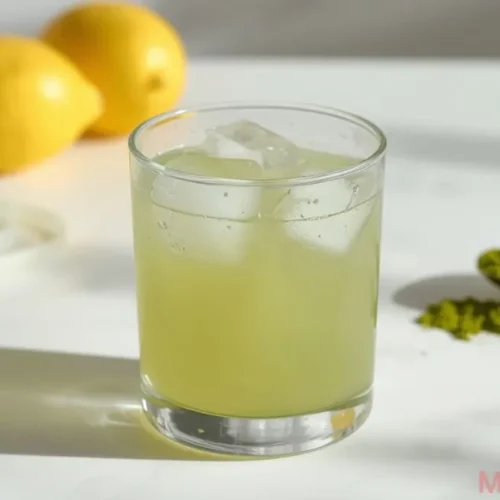
Japanese Mounjaro Recipe – The Complete Guide (Traditional + Viral Versions Explained)

Ingredients
- 1 teaspoon matcha powder ceremonial-grade if possible
- 1 umeboshi plum or 1 teaspoon umeboshi paste
- 1 slice fresh ginger finely grated
- 1 small piece dried kombu thumb-sized
- 8 ounces warm water around 160–170°F / 70–75°C
- Optional: splash of lemon juice
- Optional: drizzle of honey
Instructions
- Soak kombu in warm water for 5 minutes, then remove.
- Whisk matcha with a splash of kombu water until smooth and frothy.
- Add umeboshi (or paste) and freshly grated ginger to the matcha mixture.
- Pour the mixture into the kombu-infused water and stir well.
- Optional: Add a splash of lemon juice or a drizzle of honey to taste.
- Serve warm or let cool and serve over ice for a refreshing version.
Notes
- Start with a small piece of kombu if you’re new to kelp, then increase to taste.
- Use ceremonial-grade matcha for the best flavor and smooth texture.
- Water temperature should be around 160–175°F (just below boiling) to preserve nutrients and avoid bitterness.
- Grate ginger fresh for maximum flavor and digestive benefits.
- Adjust sweetness or tanginess with honey, lemon, or apple cider vinegar as desired.
- This drink can be served hot or chilled over ice for a refreshing alternative.
- Store leftovers in the fridge for up to 2–3 days, shaking before drinking.
Mealoras your go-to for simple, flavorful recipes! From quick weeknight dinners to sweet treats and family favorites, we make cooking easy, fun, and delicious for everyone in the kitchen.